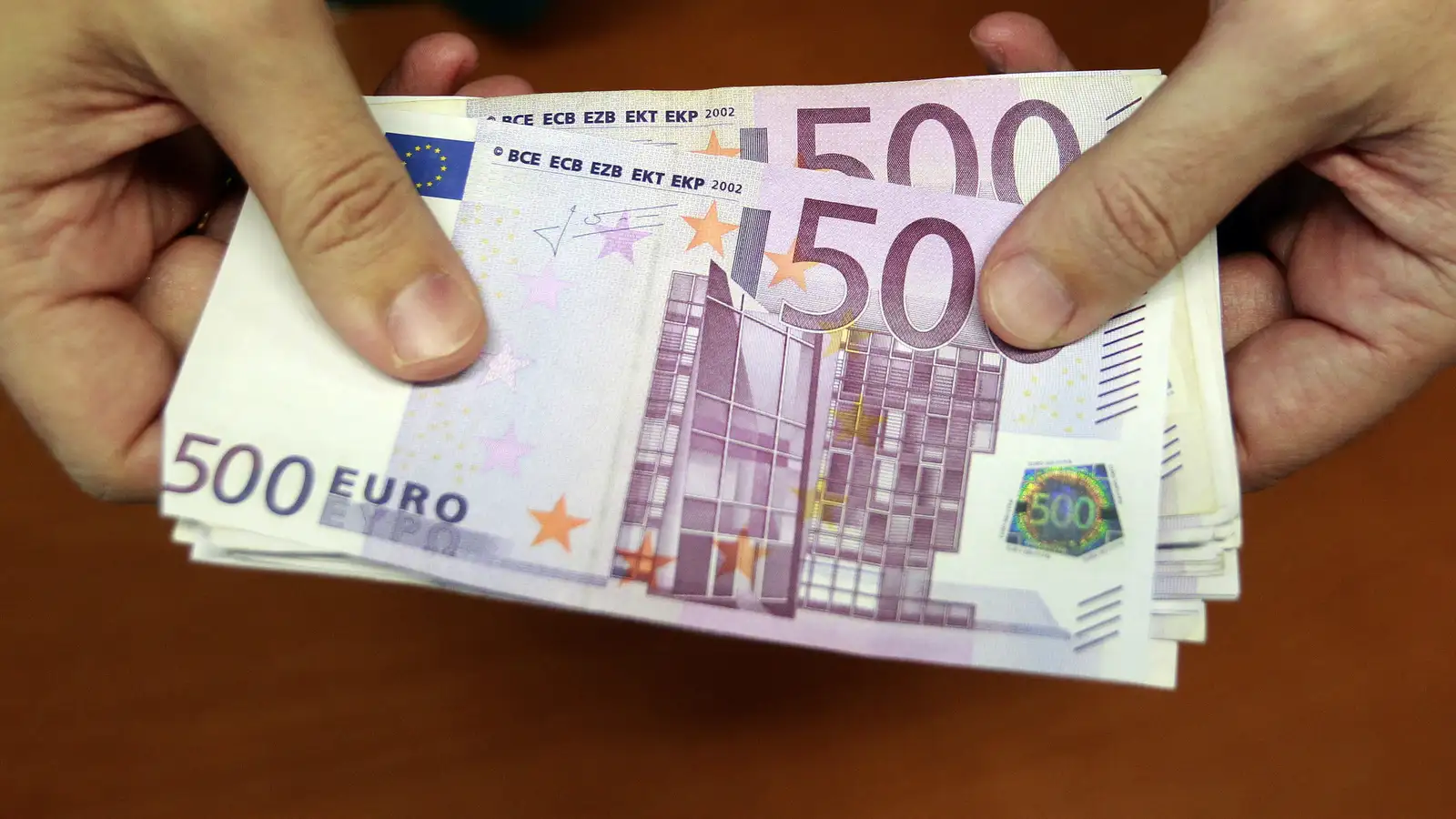
The Next Big Trend In The Buy Counterfeit Money Industry


The Risks and Realities of Buying Counterfeit Money Discreetly
In an age where commerce drops and streams through various mediums of exchange, the concept of counterfeit currency continues to captivate many. Although the allure of fake money may come from its perceived ease of obtaining wealth, the ramifications of participating in such activities are extreme. This post aims to explore the intricacies surrounding counterfeit money: its origins, legal implications, methods of production, and the dark underbelly of acquiring counterfeit currency discreetly.
Understanding Counterfeit Money
Counterfeit money describes currency that is produced without the legal sanction of the government, simulating real banknotes. This illegal money is frequently created to defraud people, companies, and banks. The counterfeiting of currency is not a brand-new phenomenon; it has existed for centuries, adapting to technological changes and developing approaches of detection.
The Origin of Counterfeit Money
Counterfeit currency stems from numerous sources. Historically, people would handcraft reproductions of legal tender, however advancements in printing technology have resulted in a more advanced production procedure. Today's counterfeiters often utilize high-quality printing techniques and materials that carefully resemble the initial currency.
The Face of Counterfeit Operations
Counterfeit operations can typically fall under 2 categories:
- Small-scale and Local: These operations involve local wrongdoers who produce currency in small amounts, typically utilizing basic printing techniques. These fake notes might circulate in particular neighborhoods but are typically of lower quality.
- Massive and Professional: These operations are more organized and advanced, often with access to high-end printing technology. The counterfeit money produced by these groups can flow over a more comprehensive location and can be almost indistinguishable from real currency.
The Legal Ramifications
One of the most essential elements to understand is the legal implications of engaging with counterfeit currency. Buying, having, or distributing counterfeit money is a serious crime in practically every country. The charges can vary from substantial fines to lengthy prison sentences. Here's a breakdown of the legal concerns involved:
- Possession: Simply possessing counterfeit money is illegal and can lead to extreme penalties.
- Circulation: Selling or distributing counterfeit currency raises the severity of the crime, resulting in harsher consequences.
- Intent to Defraud: Even trying to utilize counterfeit notes, no matter effective transactions, can result in criminal charges.
The Allure of Discreet Purchases
In spite of the legal dangers, there exists a market for people seeking to buy counterfeit money discreetly. Predatory websites and online forums frequently supply opportunities for these transactions. The inspirations differ, with some people drawn to the thrill of the unlawful act, while others may be led by monetary desperation.
Common Methods for Purchasing Counterfeit Money
If one were to consider purchasing counterfeit money, they would normally come across these avenues:
- Online Marketplaces: Some websites concentrate on offering counterfeit currency, where purchasers can browse listings and make discreet purchases.
- Dark Web: This clandestine part of the web is understood for unlawful activities, consisting of the sale of counterfeit money. Access generally requires special software application and anonymous browsing.
- Social Network Groups: Some individuals take to social media platforms, forming closed groups where they go over and trade illicit products, including counterfeit currency.
Risks of Discreet Purchases
Engaging in counterfeit deals can position multiple threats:
- Legal Repercussions: Law enforcement companies frequently keep track of suspicious online activity. Taking view it now in the purchasing or selling of counterfeit money can rapidly result in an arrest.
- Scams: Many people selling counterfeit money are opportunists wanting to rip-off buyers. Getting from an unverified source increases the likelihood of receiving worthless item.
- Security: Even discreet deals can be traced back to the buyer. Government monitors are always on the lookout for money laundering and other monetary crimes.
Often Asked Questions (FAQs)
Is it legal to possess counterfeit money?
No, having counterfeit money is illegal. Law enforcement firms treat it as a serious crime, and penalties can be serious.
What are the signs of counterfeit currency?
Some common signs of counterfeit money include:
- Lack of security functions (watermarks, holograms)
- Poor quality printing
- Blurry text or images
- Paper texture that differs from legitimate banknotes
How can I report counterfeit currency?
If you experience counterfeit currency, you must report it to your local law enforcement firm or the Secret Service in the United States. They investigate counterfeit money and can provide assistance.
Are there any instructional resources on counterfeit money?
Yes, companies such as the U.S. Secret Service and numerous financial organizations offer substantial materials on how to determine and handle counterfeit currency.
What are the penalties for utilizing counterfeit money?
Charges for utilizing counterfeit money can include substantial fines and jail time. The intensity usually depends on the amount and the person's intent to defraud.
The allure of obtaining counterfeit money discreetly might appear attracting some; however, engaging in such transactions carries significant and typically life-altering repercussions. From legal consequences to the potential for fraud and frauds, the dangers far surpass any viewed benefits. Eventually, the pursuit of monetary gain through unlawful means is a dangerous gamble that can lead down a course of irreversible harm to one's life and future. Individuals are constantly better off looking for genuine avenues for monetary stability and success, thus preventing the dark side of counterfeit currency entirely.